 Football Physiotherapy
Boosting Circulation: Essential Tips and Common Symptoms
Understanding Circulation: What It Is and Why It Matters
Understanding Circulation: What It Is and Why It Matters
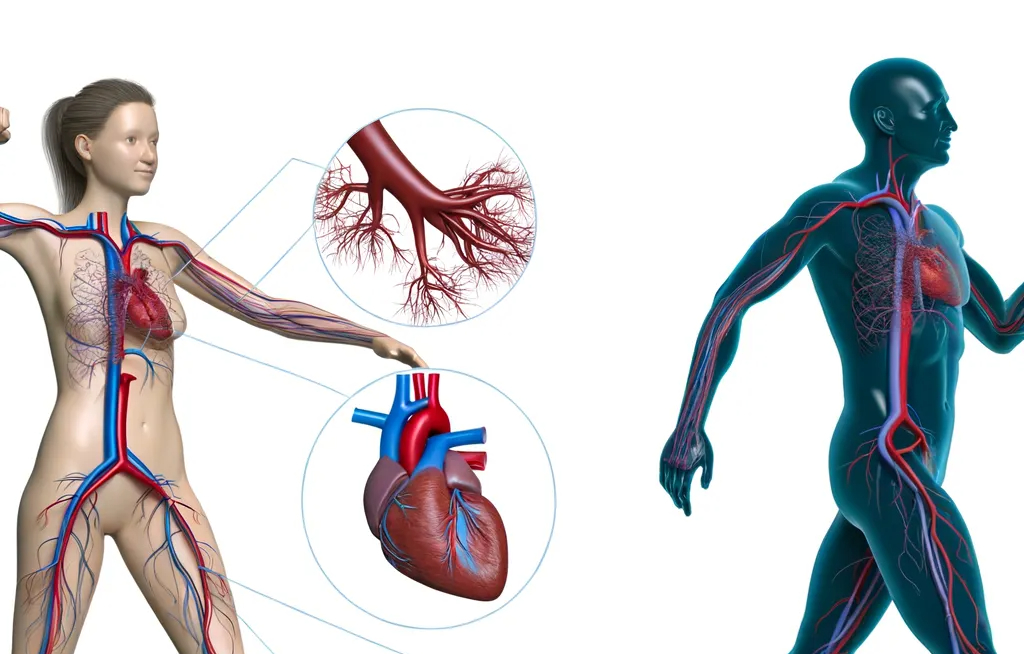
Circulation refers to the process by which the heart pumps blood around the body, carrying vital nutrients and oxygen to all cells and tissues. This complex system involves not only the heart and blood vessels but also the lungs, which refresh the blood with a new supply of oxygen. Good circulation is crucial for maintaining overall health and well-being, supporting everything from cognitive function and energy levels to the health of your skin and organs.
The Role of Circulation in Body Function
The circulatory system plays a pivotal role in bodily function. It helps in the removal of waste products and carbon dioxide, decreasing the potential for inflammation and disease. Proper circulation ensures that immune cells are distributed evenly throughout the body, which is essential in fighting infections and healing wounds. Moreover, it regulates body temperature and maintains pH balance, which are vital for all bodily functions.
Effects of poor circulation can lead to various health issues, such as numbness in the extremities, swelling, fatigue, and cognitive difficulties. It can be caused by several factors, including smoking, obesity, sedentary lifestyles, and certain medical conditions like diabetes and heart diseases.
Symptoms to Watch For
Identifying symptoms of poor circulation early can help mitigate potential health complications. Some common symptoms include persistent coldness in the hands or feet, swelling in the lower extremities, changes in skin colour, fatigue, and varicose veins. Experiencing these symptoms warrants a consultation with a healthcare professional to explore underlying causes and appropriate interventions.
Improving Circulation through Lifestyle Changes
Several lifestyle adjustments can significantly enhance circulation. Regular physical activity, such as walking, swimming, or cycling, helps to boost heart health and promote blood flow. Including physiotherapy exercises in your routine can also aid in maintaining optimal circulation, particularly beneficial for those with shoulder issues. Maintaining a balanced diet rich in fruits, vegetables, whole grains, and healthy fats can also support vascular health and improve circulation.
For individuals who smoke, it's crucial to recognise that ceasing smoking is arguably one of the most significant actions one can take to enhance circulatory health. Smoking severely impairs blood flow and vascular function; thus, quitting can markedly improve circulation and overall cardiovascular health.
Symptoms and Causes of Poor Circulation
Understanding the Symptoms of Poor Circulation
Poor circulation is a common concern among many individuals, which, if not addressed, can lead to significant health issues. Recognising the symptoms early on is crucial for effective management and treatment. One of the most noticeable signs of poor circulation is persistent coldness in the extremities, particularly the hands and feet. This symptom occurs because blood flow is restricted, reducing the amount of warmth delivered to these areas.
Another prevalent symptom is numbness or tingling sensations, often described as pins and needles, in the limbs. This can happen intermittently or may be a more constant issue, depending on the severity of the circulation problems. Patients might also experience swelling, typically in the legs, feet, or ankles, due to fluid accumulation when the blood flow is inadequate.
Moreover, many individuals with poor circulation find that they have muscle cramps and aches, which can be particularly noticeable after periods of inactivity or at night. The reduced blood flow means that muscles are not receiving enough oxygen and nutrients, leading to discomfort and cramping. Another telling sign is the appearance of varicose veins, which are often visible, swollen veins just beneath the skin, caused by increased blood pressure within the veins.
Causes Behind Poor Circulation
The causes of poor circulation can range from lifestyle factors to more complex health conditions. One common cause is a sedentary lifestyle. Lack of regular physical activity can significantly reduce blood flow, leading to circulation issues. It's essential for individuals to engage in regular exercise to help improve blood flow and overall cardiovascular health.
Peripheral artery disease (PAD), a condition characterised by narrowed arteries due to plaque buildup, is another significant cause. This narrowing makes it difficult for blood to flow freely, particularly to the limbs, thus affecting circulation. Diabetes is also a key player in circulation issues, as high blood sugar levels can lead to blood vessel damage and narrowed vessels, further impeding blood flow.
Smoking is a well-known risk factor that contributes to poor circulation. The chemicals in tobacco can affect the lining of the arteries, leading to their narrowing and even blockage over time. Additionally, conditions like obesity and high blood pressure can also impede blood flow by putting extra pressure on the arteries and veins.
In conclusion, understanding the symptoms and causes of poor circulation is a step forward in managing this condition effectively. Regular physical activity, maintaining a healthy diet, and monitoring other health conditions like diabetes and high blood pressure are crucial in improving circulation. If you're experiencing symptoms of poor circulation, it’s advisable to consult with a healthcare professional for an accurate diagnosis and appropriate treatment. This proactive approach can help mitigate the risks associated with poor circulation and lead to better overall health outcomes.
Effective Treatments for Enhancing Circulation
Understanding Poor Circulation
Poor circulation is a common concern among many individuals, manifesting through symptoms such as swelling, numbness, tingling, and muscle cramps. Various underlying causes, including peripheral artery disease, diabetes, obesity, and Raynaud's disease, can contribute to this condition. Recognising these symptoms early can help in seeking appropriate treatment and managing the condition effectively.
Physical Activity: A Cornerstone for Improving Circulation
One of the most effective treatments for enhancing circulation is regular physical activity. Exercise helps to improve the efficiency of the circulatory system, enabling blood to flow more freely around the body. Activities such as walking, cycling, swimming, and yoga are particularly beneficial. These exercises not only boost circulation but also contribute to overall cardiovascular health.
For those who find regular exercise challenging, even simple changes like taking short walks during the day or doing gentle stretching exercises can make a significant difference. The key is to keep the body moving as much as possible to promote blood flow.
The Role of Hydration and Nutrition
Hydration plays a crucial role in maintaining good circulation. Water helps to keep the blood fluid and easier to pump throughout the body. Patients are advised to drink adequate amounts of water throughout the day to support their circulatory health.
Moreover, incorporating certain nutrients into one's diet can aid in enhancing circulation. Foods rich in omega-3 fatty acids, such as salmon and flaxseeds, are known to improve blood flow. Similarly, antioxidants found in berries, dark chocolate, and citrus fruits can strengthen the blood vessels and promote heart health. Ensuring a balanced diet with these components can help alleviate symptoms of poor circulation.
Therapeutic Approaches: Massage and Compression
Massage therapy is another effective treatment that can enhance circulation. Techniques such as Swedish and deep tissue massage stimulate blood flow to different parts of the body, relieving pain and reducing swelling in the limbs. This type of therapy not only helps in improving circulation but also in relaxing the muscles and reducing stress levels.
Compression therapy is particularly beneficial for those experiencing poor circulation in the lower legs and feet. Compression garments like socks or stockings exert gentle pressure on the limbs, aiding in blood flow back to the heart and reducing swelling and discomfort. It is essential for patients to consult with a healthcare provider to choose the right type of compression therapy suited to their specific needs.
Managing Underlying Conditions
It is crucial for individuals experiencing circulation issues to manage any underlying health conditions that could be contributing to the problem. Regular consultations with healthcare professionals to monitor conditions such as diabetes, high blood pressure, and high cholesterol are important. Effective management of these conditions can lead to significant improvements in circulation.
In conclusion, enhancing circulation involves a combination of lifestyle changes, dietary adjustments, and therapeutic approaches. By adopting a more active lifestyle, ensuring proper hydration and nutrition, and utilising therapies like massage and compression, individuals can significantly improve their circulatory health. Regular monitoring and management of any underlying health conditions are also vital in maintaining optimal circulation.
Lifestyle Changes to Improve Blood Flow
Understanding the Importance of Good Circulation
Good circulation is crucial for maintaining optimal health. It ensures that blood, rich in oxygen and nutrients, flows efficiently to every part of the body, supporting organ function, promoting cell growth, and aiding in the digestion process. Poor circulation, on the other hand, can lead to a variety of health issues, including numbness, pain, and muscle cramps. Therefore, it's crucial to adopt lifestyle modifications that enhance improve blood flow naturally to maintain optimal health.
Increase Physical Activity
Among the best methods to enhance circulation is by engaging in benefits of regular physical activity. Regular exercise stimulates the cardiovascular system, prompting the heart to pump blood with greater force. This increased cardiac output ensures that blood flows more efficiently throughout the body, delivering oxygen and nutrients to tissues more effectively. Exercise causes the heart to pump blood more vigorously, which helps to push the blood through the arteries and veins more effectively. Activities like walking, jogging, swimming, and cycling are particularly beneficial. Even simple stretches or frequent leg movements can improve your circulation, especially for those who sit for long periods during the day.
Stay Hydrated
Hydration plays a pivotal role in maintaining good circulation. Blood is about half water, so when you are dehydrated, your blood becomes thicker and harder to pump through the body. Ensuring you drink adequate amounts of water throughout the day can significantly improve blood flow and help prevent circulation problems.
Adopt a Healthier Diet
What you eat also affects your blood circulation. Foods rich in omega-3 fatty acids, such as fish, flaxseeds, and walnuts, can help improve the health of your arteries by reducing inflammation and keeping blood flowing smoothly. Additionally, fruits like oranges and berries are high in vitamin C and bioflavonoids, which strengthen the capillary walls and support vascular health. It's also wise to limit intake of saturated fats and trans fats, which can contribute to vascular constriction and poor circulation.
Manage Stress Levels
Chronic stress can lead to poor circulation as it increases blood pressure and heart rate, constricting the arteries and reducing blood flow. Techniques such as yoga, meditation, and deep-breathing exercises can reduce stress and improve circulation. Regular engagement in these practices can have a significant positive impact on your vascular health.
Consider the Position of Your Body
The way you position your body can also impact circulation. Sitting or standing for prolonged periods can inhibit blood flow, particularly in the lower extremities. Taking regular breaks to move around, using ergonomic furniture that encourages good posture, and elevating your legs when possible can all help ways to enhance circulation.
By incorporating these lifestyle changes, you can significantly improve your circulation, leading to better health and vitality. Remember, small daily adjustments can lead to substantial health benefits over time.
Concluding Thoughts on Managing and Improving Circulation
Understanding the Importance of Good Circulation Good circulation is essential for maintaining optimal health and well-being. It ensures that blood, rich in oxygen and nutrients, can reach every part of the body effectively. This process supports organ function, aids in cell growth, and enhances muscle activity. Conversely, poor circulation can lead to a myriad of health issues, including numbness, pain, and muscle cramps, which can significantly impact one's quality of life.
Practical Steps to Enhance Circulation Improving your circulation involves incorporating simple, yet effective lifestyle changes. Regular physical activity is paramount. Engaging in exercises like walking, cycling, or swimming can greatly enhance blood flow, especially to the extremities. Additionally, managing your body weight through a balanced diet rich in fruits, vegetables, and lean proteins can prevent circulatory problems related to obesity.
Another beneficial practice is staying hydrated. Water plays a crucial role in maintaining blood volume and allowing smooth blood flow through the vessels. Aim to drink at least eight glasses of water a day to support your circulatory health.
The Role of Physiotherapy in Managing Circulation Issues Physiotherapy offers several techniques that can help improve circulation, particularly for individuals who experience mobility issues or chronic health conditions. Manual therapy techniques such as massage can stimulate blood flow to targeted areas, providing relief and enhancing overall circulation. Physiotherapists also tailor exercise programs that are specific to the needs of their patients, ensuring that activities are safe and effective in promoting blood flow without exacerbating any existing conditions.
Furthermore, physiotherapists can provide education on proper posture and ergonomic practices that prevent circulatory restrictions, especially for individuals who lead sedentary lifestyles or those who work in desk-bound positions.
Concluding Thoughts on Managing and Improving Circulation Ensuring good circulation is a vital aspect of health that should not be overlooked. Simple lifestyle adjustments, such as increasing physical activity, maintaining a healthy diet, and proper hydration, are foundational steps anyone can take. For those needing additional support, physiotherapy offers a range of interventions tailored to enhance circulatory health through targeted exercises and therapeutic techniques.
Remember, each small change you make can have a significant impact on your circulation and overall health. It is never too late to start, and the benefits of such improvements extend far beyond just enhanced circulation, leading to a healthier, more vibrant life. Whether you are dealing with specific symptoms of poor circulation or looking to prevent future health issues, these strategies can provide meaningful benefits.
Frequently Asked Questions
What are some common symptoms of poor circulation that I should look out for?
Common symptoms of poor circulation include swelling in the extremities, numbness, tingling sensations, muscle cramps, and fatigue. These symptoms occur because of inadequate blood flow, which can prevent your body from functioning optimally. Recognizing these early signs is crucial for addressing the underlying causes effectively.
How can lifestyle changes improve my circulation and overall health?
Lifestyle changes can significantly enhance blood flow and circulation, thereby improving your overall health. Regular exercise helps strengthen your heart and improves vascular health, while a balanced diet rich in antioxidants and low in saturated fats can reduce blood vessel inflammation and plaque buildup. Additionally, quitting smoking and reducing alcohol intake are crucial as these habits can severely affect blood flow.
Why is it important to address symptoms of poor circulation early on?
Addressing symptoms of poor circulation early on is essential because prolonged poor circulation can lead to more severe health issues, such as heart disease, stroke, and organ damage. Early intervention can help manage symptoms effectively, reduce the risk of complications, and improve overall health outcomes.
What specific treatments are available for enhancing circulation in individuals with conditions like diabetes or obesity?
For individuals with conditions such as diabetes or obesity, specific treatments to enhance circulation may include managing blood sugar levels through medication and diet, engaging in regular physical activity, and perhaps using compression garments to support blood flow. Medical treatments such as vascular surgery or medication to improve blood flow might also be considered based on the individual's specific health needs and in consultation with their healthcare provider.
When should I consider seeing a healthcare professional about my circulation issues?
You should consider seeing a healthcare professional if you experience persistent symptoms of poor circulation such as swelling, numbness, or tingling in your limbs, frequent muscle cramps, or if you have known risk factors such as diabetes, obesity, or a sedentary lifestyle. A healthcare professional can provide a diagnosis, suggest comprehensive management plans, and refer you to specialists like a cardiologist or vascular surgeon if necessary.
Recovery Checklist
Step 1: Schedule an appointment with a healthcare provider to evaluate your circulation and identify any underlying causes such as peripheral artery disease or diabetes.
Step 2: Incorporate at least 30 minutes of moderate exercise, like brisk walking or cycling, into your daily routine to enhance blood flow.
Step 3: Adjust your diet to include circulationboosting foods rich in omega3 fatty acids, such as salmon and flaxseeds, and antioxidants found in berries and leafy greens.
Step 4: Stay hydrated by drinking at least 8 glasses of water per day to help maintain the volume of blood and improve circulation.
Step 5: Limit intake of foods high in saturated fats and sugars that can contribute to poor circulation and vascular health issues.
Step 6: Practice relaxation techniques such as yoga or deepbreathing exercises to reduce stress, which can negatively impact circulation.
Step 7: Elevate your legs when sitting for long periods or if you experience swelling, to assist venous return and improve blood flow.
Step 8: Wear compression garments if recommended by your healthcare provider to help with blood flow, especially if you have symptoms of swelling or varicose veins.
Step 9: Monitor your symptoms and progress by keeping a daily log of your activities, diet, and any symptoms of poor circulation like numbness or tingling.
Step 10: Follow up with your healthcare provider regularly to adjust your treatment plan as needed based on your progress and any changes in symptoms.

About the Author: Jordan Templeton, MSc Physiotherapy
Jordan Templeton is a highly experienced football physiotherapist with over 7 years of professional experience in elite professional football. As a qualified MSc Physiotherapist, Jordan specialises in football-specific injury assessment, rehabilitation, and return-to-play protocols.
Jordan's professional background includes 4 years coaching at Kilmarnock FC Academy, followed by physiotherapy roles at Kilmarnock FC and Hearts of Midlothian FC (supporting academy, B team, and first team). He currently works full-time as a physiotherapist for Kilmarnock FC, bringing hands-on elite-level experience to every patient.
He holds an MSc in Physiotherapy (Pre-Registration) from Glasgow Caledonian University and graduated with First Class Honours in Sport and Exercise Science from the University of the West of Scotland. Jordan brings expert care, evidence-led rehabilitation, and personalised treatment plans built on practical assessment and real-world football knowledge to his Kilmarnock and Ayrshire physiotherapy clinic.