 Football Physiotherapy
Why Are My Hands & Feet Always Cold? Causes & Remedies
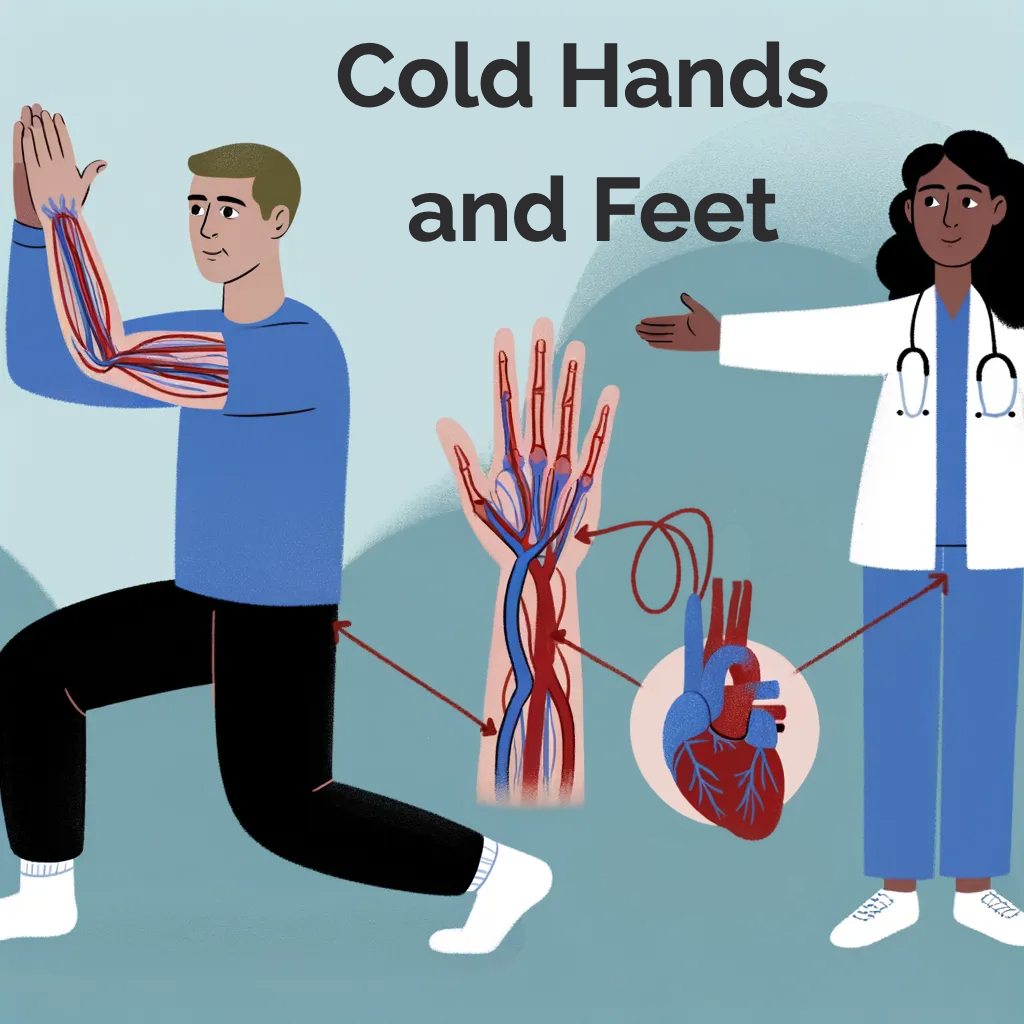
Understanding Cold Hands and Feet: Causes and Symptoms
Exploring the Causes of Cold Hands and Feet
Cold hands and feet can be a common but discomforting condition, affecting many individuals across various age groups. The reasons behind this phenomenon are varied, ranging from environmental factors to more complex health issues.
One of the most straightforward causes is exposure to cold temperatures. Naturally, our bodies respond to cold by constricting blood vessels in the extremities, which helps to conserve heat but also reduces blood flow, leading to colder hands and feet. However, if this is a persistent issue regardless of the ambient temperature, it may be indicative of underlying health conditions.
Poor circulation is a primary culprit. This can be due to several factors such as peripheral artery disease (PAD), where narrowed arteries reduce blood flow to the limbs, or Raynaud's phenomenon, which causes an exaggerated vascular response to cold or stress. These conditions can significantly decrease the blood supply to the extremities, making them feel perpetually cold.
Recognising the Symptoms
Identifying the symptoms that accompany cold hands and feet can be crucial in understanding the underlying causes. Typically, the sensation of coldness is most noticeable in the fingers and toes, but other symptoms can include changes in skin colour, numbness, tingling, or swelling.
For individuals with circulation issues, the coldness may be accompanied by a pale or bluish skin colouration. This is because the reduced blood flow affects the oxygen levels reaching the skin. In cases of Raynaud's phenomenon, affected areas might turn white or blue when exposed to cold, and then red upon warming, accompanied by pain or throbbing.
Numbness or tingling, often described as a &039;pins and needles&039; sensation, can also occur if the nerves in the hands and feet are affected by the reduced blood flow. This might be more noticeable during or after exposure to cold conditions.
Understanding these symptoms and their potential causes is not just about comfort but also about recognising when to seek further medical advice. While often cold hands and feet are not a cause for alarm, persistent or severe cases should be evaluated to rule out more serious health issues.
Physiotherapy Techniques for Managing Cold Extremities
Introduction to Physiotherapy for Cold Extremities
When it comes to managing cold hands and feet, physiotherapy offers several effective techniques that can enhance blood flow and reduce discomfort. These methods not only improve circulation but also help in maintaining overall limb health. Below, we will explore some of the most beneficial physiotherapy techniques tailored specifically for individuals experiencing cold extremities.
Thermal Therapy
One of the simplest yet effective physiotherapy interventions for cold hands and feet is thermal therapy. This involves the application of heat to the affected areas to help expand blood vessels and improve circulation. Heat can be applied using warm towels, heating pads, or warm water soaks. It's crucial to ensure that the heat source is not too hot to avoid burns and to use this method for limited periods to promote optimal blood flow without skin damage.
Exercise and Movement Strategies
Incorporating specific exercises can significantly benefit those suffering from cold extremities. Gentle, low-impact activities like walking, yoga, or tai chi can increase overall circulation and help warm up the body. For targeted relief, hand and foot exercises such as clenching and unclenching fists or rotating ankles can stimulate blood flow directly to these areas. Regular physical activity is recommended to keep the blood moving efficiently throughout the body.
Massage Techniques
Massage is another therapeutic option that can be particularly soothing for cold hands and feet. Techniques such as kneading, stroking, and rubbing can increase local circulation and warmth. Furthermore, massage helps in relaxing muscle tissue, which can otherwise constrict blood vessels and reduce blood flow. For those who experience frequent discomfort from cold extremities, regular massage sessions can be a valuable component of a comprehensive physiotherapy plan.
Contrast Baths
Contrast baths involve alternating dips in warm and cold water, which can help improve vascular circulation. Starting with warm water helps dilate blood vessels, and the subsequent exposure to cold water causes them to constrict. This process enhances the reactive dilation of blood vessels when returning to warm water. Typically, a few minutes in each bath, alternating for several cycles, can effectively stimulate blood flow and reduce the sensation of cold in the hands and feet.
Electrical Stimulation
For more persistent cases, physiotherapists may recommend electrical stimulation therapies. These treatments, such as TENS (Transcutaneous Electrical Nerve Stimulation), use low-voltage electrical currents to stimulate nerves and, consequently, blood flow in the targeted extremities. This technique can be particularly useful for those whose cold extremities are linked to underlying nerve issues or poor circulation.
By incorporating these physiotherapy techniques, individuals suffering from cold hands and feet can find relief and improvement in their symptoms. It's important to consult with a professional physiotherapist to tailor the right combination of therapies based on individual needs and underlying health conditions.
Lifestyle Modifications and Home Remedies
Adapting Your Diet for Warmer Extremities
Making dietary adjustments is a practical approach to manage cold hands and feet. Incorporating foods that boost circulation can help alleviate symptoms. Spices such as ginger, cayenne pepper, and cinnamon are known to stimulate blood flow. Including these spices in your meals not only enhances flavour but also contributes to warmer extremities. Additionally, foods rich in iron and vitamin B12, like leafy greens and lean meats, are essential as deficiencies in these nutrients can lead to poor circulation and exacerbate cold sensations in the hands and feet.
Regular Physical Activity
Engaging in regular physical exercise is crucial in combating cold hands and feet. Activities such as walking, jogging, or cycling help improve overall blood circulation. Even simple hand and foot exercises, like clenching and unclenching your fists or rotating your ankles, can be performed anywhere and require no special equipment. These exercises promote blood flow to the extremities and can be particularly beneficial if your lifestyle is predominantly sedentary.
Optimising Your Home Environment
Maintaining a warm and comfortable environment at home can also play a significant role in managing cold extremities. Ensure your living space is adequately heated and free from drafts, especially during colder months. Investing in thermal curtains and using draft excluders can help retain heat within your home. Wearing warm socks and keeping a pair of slippers handy for indoor use can provide additional warmth and comfort for your feet.
Mindfulness and Stress Reduction Techniques
Stress and anxiety can exacerbate the feeling of cold in the hands and feet by leading to reduced blood flow. Practising mindfulness and engaging in stress reduction activities such as yoga, meditation, or deep-breathing exercises can help manage stress levels, thereby improving circulation. These practices not only aid in relaxation but also enhance overall well-being, which can indirectly help alleviate symptoms of cold extremities.
Incorporating these lifestyle modifications and home remedies into your daily routine can significantly aid in managing the discomfort associated with cold hands and feet. While these strategies are helpful, it's important to consult with a healthcare provider if you experience persistent or severe symptoms, as they could be indicative of underlying health issues.
When to Consult a Professional: Recognising Serious Underlying Conditions
Identifying the Signs That Warrant Professional Attention
While occasional cold hands and feet might not always signal a severe problem, persistent or severe symptoms could indicate underlying health issues that require professional medical advice. It's crucial to be vigilant and recognize when to seek help beyond home remedies and physiotherapy techniques.
If you experience cold hands and feet accompanied by changes in the colour of your skin, such as blueness or paleness, it might be a sign of poor circulation. This could be related to peripheral artery disease (PAD) or other cardiovascular conditions. Such symptoms often require assessment by a healthcare professional to manage the vascular health effectively.
Persistent numbness or tingling, beyond the typical 'pins and needles' sensation, could also be a red flag. These sensations might indicate nerve damage or neurological disorders, which are best diagnosed and managed by specialists. If these symptoms are accompanied by pain or occur frequently, consulting with a physician is advisable.
When Cold Extremities Are a Sign of Systemic Disorders
In some cases, cold hands and feet are symptoms of systemic diseases such as diabetes, hypothyroidism, or Raynaud's phenomenon—a condition where blood flow to the extremities is reduced dramatically in response to cold or stress. These conditions can lead to further health complications if not properly managed under the guidance of a healthcare provider.
Furthermore, if your cold extremities are associated with fatigue, joint pain, or changes in weight, it could suggest an autoimmune or connective tissue disease. Diseases such as lupus or scleroderma can manifest initially with such subtle signs, making early professional intervention crucial for effective management and better outcomes.
Recognising the Urgency of Medical Intervention
It's essential to consult a healthcare professional promptly if you notice a sudden onset of coldness in your hands and feet, especially if it's localized to one side. This could be indicative of an acute blockage in blood vessels, requiring immediate medical attention to prevent more severe complications.
Additionally, if lifestyle changes and physiotherapy have not improved your symptoms, or if they worsen, it's important to seek further evaluation. Sometimes, underlying causes such as heart disease or diabetes may not present with overt symptoms other than cold extremities, hence the importance of thorough medical assessments.
In conclusion, while cold hands and feet can often be managed with non-invasive treatments and lifestyle adjustments, recognising when symptoms point to more serious health issues is key. Always consult a healthcare professional if you experience persistent, severe, or accompanied symptoms as described, to ensure any serious conditions are addressed timely and effectively.
Summary and Key Takeaways
Integrating Knowledge for Better Management of Cold Hands and Feet
In summarising the insights gathered, it's clear that cold hands and feet are not just a minor nuisance but a symptom that can be indicative of various underlying issues. While environmental factors like cold weather can trigger this condition, it's the physiological and possibly medical reasons that require attention and understanding.
Physiotherapy has emerged as a highly beneficial approach to manage and sometimes alleviate the discomfort associated with cold extremities. Techniques focusing on improving circulation have shown promising results. Additionally, simple lifestyle adjustments, including dietary changes and regular physical activity, play a crucial role in managing symptoms effectively.
Key Takeaways for Patients
1. **Proactive Management**: Engaging in prescribed physiotherapy exercises can significantly help in enhancing blood circulation, thereby reducing the incidence of cold hands and feet.
2. **Lifestyle Adjustments**: Incorporating warming spices into your diet and maintaining an active lifestyle are practical steps that complement physiotherapy techniques.
3. **Monitoring and Consultation**: It is vital for patients to monitor their symptoms regularly. Persistent coldness, especially when accompanied by other symptoms, should prompt a consultation with a healthcare provider to rule out serious conditions.
4. **Holistic Approach**: Combining physiotherapy, dietary adjustments, and lifestyle changes offers a comprehensive strategy that can lead to better management of the symptoms of cold hands and feet.
By understanding the multifaceted approaches to tackling this common but often overlooked issue, patients can better navigate their symptoms and improve their quality of life. Remember, while self-management strategies are beneficial, seeking professional advice is crucial when symptoms persist or worsen. This holistic insight into managing cold extremities ensures that every individual can achieve optimal health and comfort.
Frequently Asked Questions
What specific physiotherapy techniques can help improve circulation for cold hands and feet?
The blog discusses several physiotherapy techniques designed to enhance blood flow and alleviate discomfort in cold extremities. These include exercises that focus on improving limb mobility and strength, as well as manual therapies such as massage to boost circulation. Additionally, heat therapy might be recommended to help expand blood vessels and enhance blood flow to the colder parts of the body.
How do dietary adjustments aid in managing the symptoms of cold hands and feet?
According to the blog, making dietary adjustments can significantly help manage cold hands and feet. Incorporating spices like ginger, cayenne pepper, and cinnamon into your diet can stimulate blood flow due to their warming effects. These spices are known to expand blood vessels, which enhances circulation and subsequently reduces the symptoms of cold extremities.
Why is it important to recognize the signs that may require professional attention for cold hands and feet?
Recognizing signs that warrant professional attention is crucial because persistent or severe symptoms of cold hands and feet could be indicative of more serious underlying health issues. These might include circulatory disorders, nerve damage, or autoimmune diseases. Early detection and professional evaluation ensure appropriate management and prevent complications.
What are some common causes of cold hands and feet mentioned in the blog?
The blog outlines several causes for cold hands and feet, ranging from environmental factors like exposure to cold temperatures to more complex health issues such as poor circulation, Raynaud's disease, hypothyroidism, and anemia. Understanding these causes is essential for addressing the root of the problem and choosing the appropriate treatment strategy.
When implementing lifestyle modifications for cold hands and feet, what are some additional recommendations besides dietary changes?
Besides dietary changes, the blog suggests other lifestyle modifications such as regular physical activity to improve overall blood circulation. It also recommends avoiding tobacco and reducing caffeine intake as both can constrict blood vessels, leading to poorer circulation. Wearing warm clothing and managing stress levels are also advised to help mitigate symptoms.
Recovery Checklist
Step 1: Monitor the frequency and severity of cold hands and feet symptoms over a week to determine if the condition is persistent or severe.
Step 2: Increase intake of circulationboosting spices such as ginger, cayenne pepper, and cinnamon in daily meals.
Step 3: Begin a daily routine of hand and foot warming exercises, including rubbing hands together and rotating ankles to enhance blood flow.
Step 4: Incorporate gentle aerobic exercises such as walking or cycling for at least 30 minutes a day to improve overall blood circulation.
Step 5: Maintain a warm environment at home and work, using gloves and socks if necessary to prevent episodes of cold extremities.
Step 6: Evaluate the impact of these lifestyle changes and physiotherapy techniques on your symptoms after two weeks.
Step 7: If symptoms persist despite the above measures, prepare a detailed symptom diary including triggers, duration, and severity of the cold episodes to discuss with a healthcare professional.
Step 8: Consult a physiotherapist to get personalized exercises and techniques tailored specifically to your condition.
Step 9: Follow the physiotherapist’s recommendations and attend all scheduled sessions to ensure proper management of the condition.
Step 10: Schedule a followup consultation with your healthcare provider to reassess your condition and make necessary adjustments to your treatment plan.
Sources & Further Reading
healthline.com:Cold Feet and Hands: What to Do and Causes
Understanding Cold Hands and Feet: Causes and Symptoms:Poor circulation
patient.info:What's causing your cold hands and feet?
health.osu.edu:Why are my hands always cold? | Ohio State Health & Discovery
apollo247.com:Why Are My Hands and Feet Always Cold? A Comprehensive Guide
nib.com.au:Why Are My Hands and Feet Always Cold? | nib
solpt.com:What to Know If Your Hands and Feet Always Feel Cold
blog.wellcareglobal.com:Causes of Cold Hands and Feet and How to Deal with Them
baptisthealth.com:What Causes You to Always Have Cold Hands and Feet? Baptist Health

About the Author: Jordan Templeton, MSc Physiotherapy
Jordan Templeton is a highly experienced football physiotherapist with over 7 years of professional experience in elite professional football. As a qualified MSc Physiotherapist, Jordan specialises in football-specific injury assessment, rehabilitation, and return-to-play protocols.
Jordan's professional background includes 4 years coaching at Kilmarnock FC Academy, followed by physiotherapy roles at Kilmarnock FC and Hearts of Midlothian FC (supporting academy, B team, and first team). He currently works full-time as a physiotherapist for Kilmarnock FC, bringing hands-on elite-level experience to every patient.
He holds an MSc in Physiotherapy (Pre-Registration) from Glasgow Caledonian University and graduated with First Class Honours in Sport and Exercise Science from the University of the West of Scotland. Jordan brings expert care, evidence-led rehabilitation, and personalised treatment plans built on practical assessment and real-world football knowledge to his Kilmarnock and Ayrshire physiotherapy clinic.